كيف يمكن لمقابلات التاريخ المروي أن تصبح معرضًا؟
رهف قدح
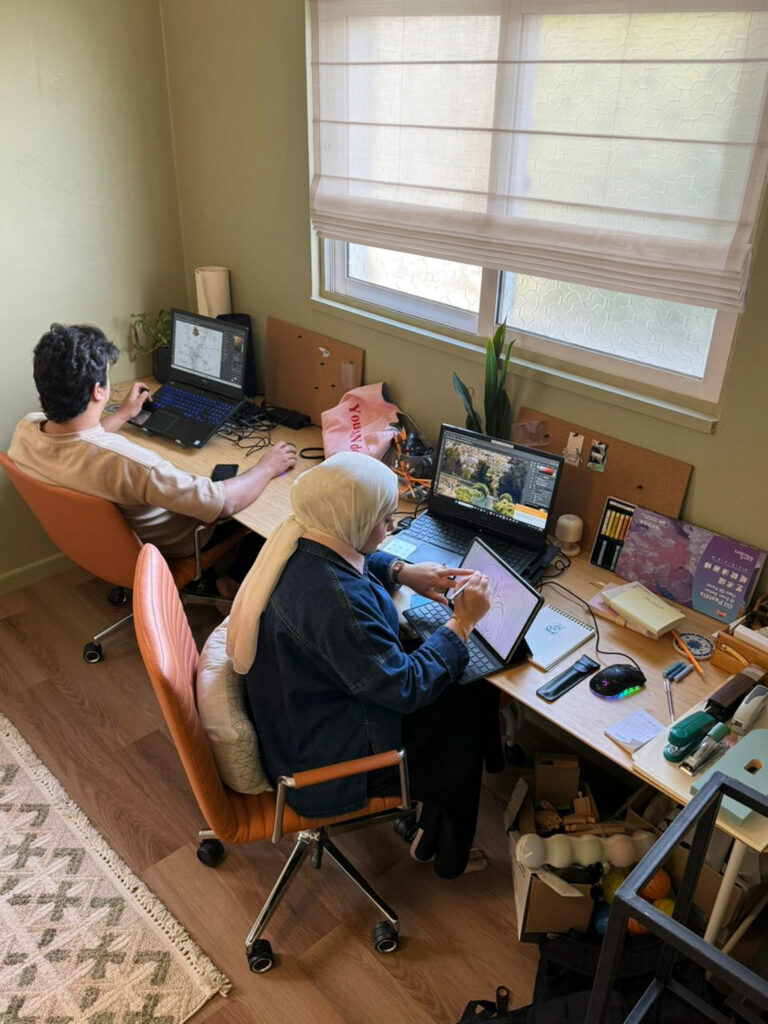
من بين كل التجارب التي عشتها خلال هذا المشروع، كانت هذه التجربة الأقرب إلى قلبي والأكثر إثارة للفضول. تخيّل أنك تجلس مع أشخاص يروون لك قصصهم، ثم تخرج من الغرفة وأنت تحملها كأمانة، وتبدأ بالتفكير: كيف يمكن أن تتحوّل هذه الأصوات والذكريات إلى معرض حيّ يراها الناس ويسمعونها؟ هنا بدأ التحدي الحقيقي. لم يكن الهدف فقط أن نكتب مقابلات أو نصوص، بل أن نعيد تخيّلها كصور، كلمات، وفضاءات يستطيع الآخرون الدخول إليها والتفاعل معها.
في البداية كنّا مشغولين بجمع القصص وتسجيلها. مع الوقت ظهر السؤال: كيف نحول هذه الحوارات إلى بروفايلات حيّة، تحمل روح الشخص والمدينة وتصل للآخرين؟ لم يكن ذلك سهلًا، بل جاء معه شعور بالمسؤولية، كأننا نمسك بقطع ثمينة يجب أن تبقى لامعة في أعين كل من يراها.
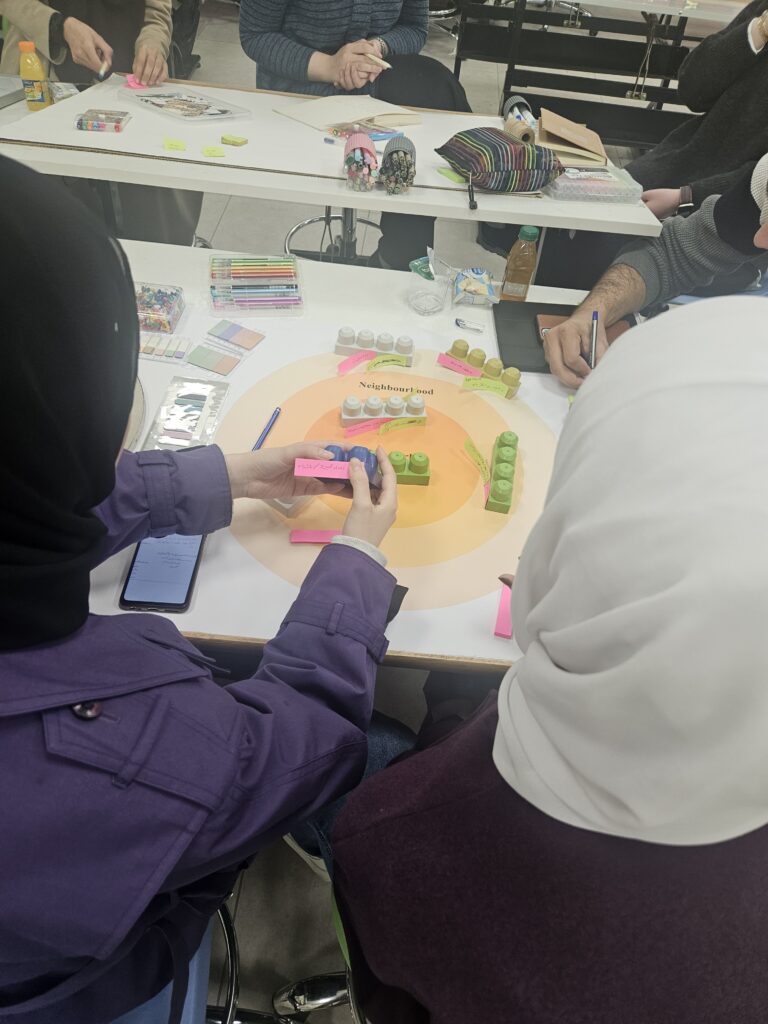
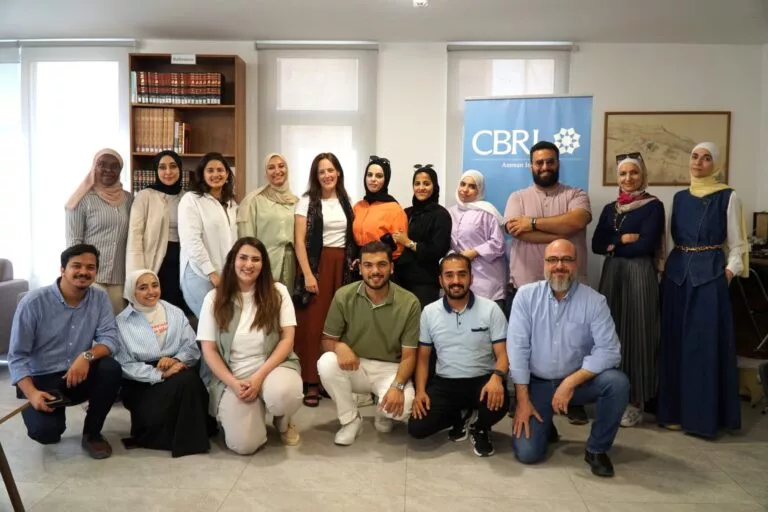
أجمل ما في التجربة أنّ كل يوم كان له مذاق خاص. الاجتماع الأول عبر الإنترنت كان مليئًا بالترقب: خبراء يستمعون إلينا ويسجّلون ملاحظاتهم بدقة. لاحقًا، في عمّان، التقينا وجهًا لوجه في ورشة عمل استمرت ثلاثة أيام. حيث لكل خبير طريقته ورؤيته التي أضافت طبقة جديدة لفهمنا. مع راكان تعلّمنا الدقة والبساطة، ومع أرزاق صرنا نرى كيف للتفاصيل الصغيرة أن تتحول إلى محتوى مؤثر، ومع روان فهمنا سر الحكاية وكيف تُبنى لتبقى في الذاكرة.
والأجمل أنني لم أكن أكتب فقط. كنت أعود كل يوم إلى البروفايل وكأنني أتعرف على الشخصية من جديد. النص تغيّر في عينيّ، وكل مرة كنت أقرأه كنت أراه من زاوية أخرى.
الشخصية التي عملت عليها كانت امرأة استثنائية، بذاكرة قوية تحفظ أدق التفاصيل، وواحدة ممن عشن تحولات كبرى سياسية واجتماعية واقتصادية في المنطقة. من خلال أحاديثها تعلمت الكثير: عن المدينة، عن نفسي، وعن قوة النساء. منحتني منظورًا مختلفًا عن قيمة التعليم وخاصة للنساء، وعن دور العائلة في جعله ممكنًا. والأهم أنها علّمتني فن الحكاية: كيف تشد الآخرين بالكلمة، وكيف تمنح التفاصيل الصغيرة حياةً تجعلها تضيء أمام من يسمعها.
هذه التجربة لم تكن مجرّد تدريب. كانت مساحة للضحك والتعلّم المشترك، ونافذة لننظر عبرها إلى مدينتنا وإلى أنفسنا بطريقة جديدة. خرجت منها أكثر ثقة، وأكثر فضولًا للبحث عن قصص أخرى، وربما أكثر شجاعة لسرد قصتي الخاصة، بطريقة تجعلها تستحق أن تُسمع وتُعرض.
How Can Oral History Interviews Become an Exhibition?
Rahaf Qadah
Of all the experiences I went through during this project, this one was the closest to my heart and the most intriguing. Imagine sitting with people as they tell you their stories, then leaving the room carrying those stories as a trust, and beginning to wonder: how can these voices and memories be transformed into a living exhibition that people can see and hear? This is where the real challenge began. The goal was not simply to write interviews or texts, but to reimagine them as images, words, and spaces that others can enter and interact with.
At first, we were focused on collecting and recording stories. Over time, a question emerged: how do we turn these conversations into living profiles that carry the spirit of both the person and the city, and communicate that to others? It was not easy. It came with a strong sense of responsibility, as if we were holding precious fragments that must remain vivid in the eyes of everyone who encounters them.
What made the experience most beautiful was that each day had its own distinct flavour. The first online meeting was filled with anticipation, as experts listened to us and carefully noted their observations. Later, in Amman, we met face to face in a three-day workshop, where each expert brought their own approach and perspective, adding new layers to our understanding. With Rakan, we learned precision and simplicity. With Arzaq, we began to see how small details can become powerful content. With Rawan, we understood the essence of storytelling and how narratives are built to remain in memory.
What was even more meaningful is that I was not just writing. Each day, I returned to the profile as if I were getting to know the person all over again. The text changed before my eyes, and each time I read it, I saw it from a different angle.
The person I worked on was an exceptional woman, with a strong memory that preserved the finest details. She is one of those who lived through major political, social, and economic transformations in the region. Through her stories, I learned so much about the city, about myself, and about the strength of women. She gave me a different perspective on the value of education, especially for women, and on the role of family in making it possible. Most importantly, she taught me the art of storytelling: how to captivate others with words, and how to give life to small details so they shine before those who hear them.
This experience was not just a training. It was a space for laughter and shared learning, and a window through which we could look at our city and ourselves in a new way. I came out of it more confident, more curious to search for other stories, and perhaps more courageous to tell my own story in a way that makes it worth hearing and exhibiting.
For more about these workshops, here is the link.