From Oral Memory to an Interactive Digital Exhibition
من الذاكرة الشفوية إلى المعرض الرقمي التفاعلي
معاذ العمور و سارة عز الدين
بدأ مشروع ضوء على الزرقاء من فكرة بسيطة، لكنها كانت تحمل سؤالًا معقدًا منذ البداية: كيف يمكن لمدينة مثل الزرقاء، بكل تناقضاتها وذكرياتها وأصواتها وطبقاتها الاجتماعية والبصرية، أن تُروى داخل مساحة رقمية واحدة دون أن تفقد تعددها وتعقيدها؟
لم نكن نريد إنشاء موقع إلكتروني تقليدي، ولا أرشيفًا بصريًا ثابتًا. منذ اللحظة الأولى، كان هدفنا أن نبني تجربة تفاعلية تسمح للمستخدم بأن “يتجول” داخل القصص، وأن يكتشف المدينة تدريجيًا عبر الصورة والصوت والحركة والذاكرة. كنا نفكر بالموقع كمساحة سردية أكثر من كونه منصة عرض.
بدأت الفكرة الأساسية من مفهوم الـكولاج؛ ليس فقط كخيار بصري، بل كطريقة لفهم المدينة نفسها. بدت الزرقاء بالنسبة لنا مدينة مكوّنة من طبقات متراكبة: قصص شخصية، أحداث تاريخية، أصوات يومية، إشارات بصرية، وذكريات متناثرة تعيش فوق بعضها البعض. لذلك شعرنا أن الكولاج هو اللغة الأنسب لتمثيل هذه الحالة؛ لغة تسمح لعدة روايات أن تتجاور، تتداخل، وتكوّن معًا صورة أكبر دون أن تذيب خصوصية كل قصة.
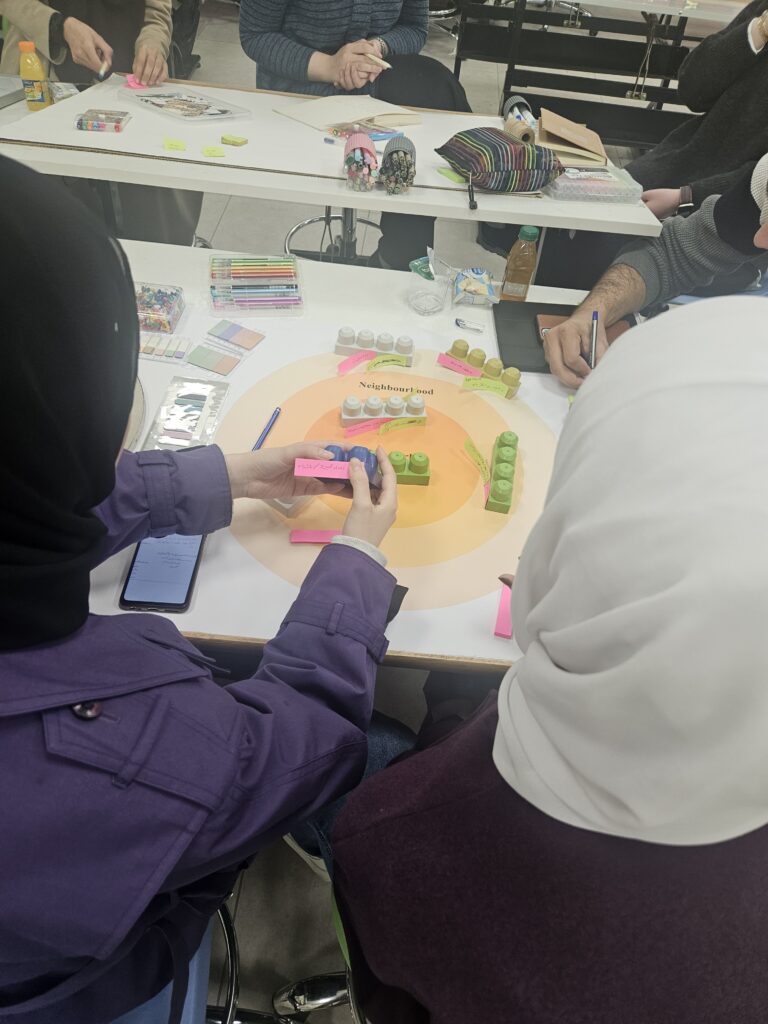
في المراحل الأولى من المشروع، وبعد استلام المقابلات والمواد البحثية، دخلنا في مرحلة طويلة من القراءة والتحليل. لم تكن المقابلات مجرد نصوص بالنسبة لنا، بل كانت بوابات لفهم علاقة الناس بالمدينة، وكيف تتشكل الذاكرة داخل المكان. جلسنا لساعات طويلة نقرأ المقابلات بتمعّن، نحاول التقاط اللحظات الأكثر صدقًا وتأثيرًا، ونبحث عن القصص التي تحمل إمكانيات بصرية وشعورية يمكن ترجمتها داخل التجربة التفاعلية.
مع الوقت، بدأت تتكوّن لدينا روابط خفية بين القصص المختلفة. بعض التفاصيل تكررت بأشكال متعددة: الحنين، التحولات العمرانية، الإحساس بالمكان، العلاقات الاجتماعية، وحتى الأصوات اليومية للمدينة. ومن هنا بدأت تتشكل فكرة “النسيج البصري” للموقع؛ أن لا تكون القصص منفصلة عن بعضها، بل متشابكة بصريًا وسرديًا داخل مساحة واحدة.
في هذه المرحلة أيضًا بدأنا العمل على السكتشات الأولية وتجربة طرق التنقل داخل الموقع. كنا نبحث عن أسلوب يسمح للمستخدم بالاستكشاف بحرية، دون أن يشعر بأنه يسير داخل تسلسل تقليدي أو جامد. ظهرت تدريجيًا فكرة الخطوط البيضاء والعناصر المرسومة يدويًا، والتي أصبحت لاحقًا جزءًا أساسيًا من هوية المشروع البصرية.
لم تكن هذه الخطوط مجرد عنصر جمالي؛ بل جاءت كطريقة لتمييز العناصر التفاعلية داخل الكولاج، وكأنها تدعو المستخدم للضغط والاستكشاف. كما أن طبيعتها “غير المكتملة” أعطت إحساسًا قريبًا من طبيعة الذاكرة نفسها؛ ذاكرة مجزأة، متغيرة، وغير نهائية.
بعد أن بدأت الهوية البصرية تتضح، انتقلنا إلى المرحلة الميدانية. أنا وسارة بدأنا النزول إلى مواقع مختلفة في الزرقاء، ليس فقط بهدف التوثيق، بل لمحاولة قراءة المدينة بصريًا. بدأنا ننتبه للتفاصيل الصغيرة التي غالبًا ما تمر دون ملاحظة: الجدران القديمة، اللافتات، آثار الزمن على المباني، الألوان الباهتة، والطبقات البصرية المتراكمة داخل الشوارع.
خلال هذه الجولات جمعنا أكثر من 300 صورة من مناطق متعددة في المدينة. بعض الصور كانت توثيقية بشكل مباشر، بينما تحولت صور أخرى إلى خامات بصرية داخل الكولاجات. كنا نحاول أن نحافظ على الإحساس الحقيقي للمدينة، دون أن نحولها إلى صورة “مصقولة” أو مثالية. كان مهمًا بالنسبة لنا أن يبقى شيء من الفوضى والبساطة والتراكم البصري حاضرًا داخل العمل.
عد انتهاء مرحلة التصوير، بدأ العمل الأكثر تعقيدًا: التجميع والتركيب. هنا بدأنا ببناء الكولاجات وربط القصص مع الصور والعناصر البصرية المختلفة. كانت العملية أقرب إلى بناء خريطة ذاكرة؛ كل عنصر بصري كان يحتاج أن يجد مكانه الصحيح داخل التجربة، وكل قصة كان عليها أن تتنفس داخل المساحة دون أن تطغى على غيرها. بدأنا نختبر العلاقات بين النص والصورة والحركة والصوت، ونفكر بكيفية انتقال المستخدم من قصة إلى أخرى بشكل طبيعي وغير مباشر. لم نرد للموقع أن يشعر المستخدم بأنه “يقرأ محتوى”، بل أن يشعر بأنه يستكشف طبقات مدينة حيّة تتحرك أمامه.
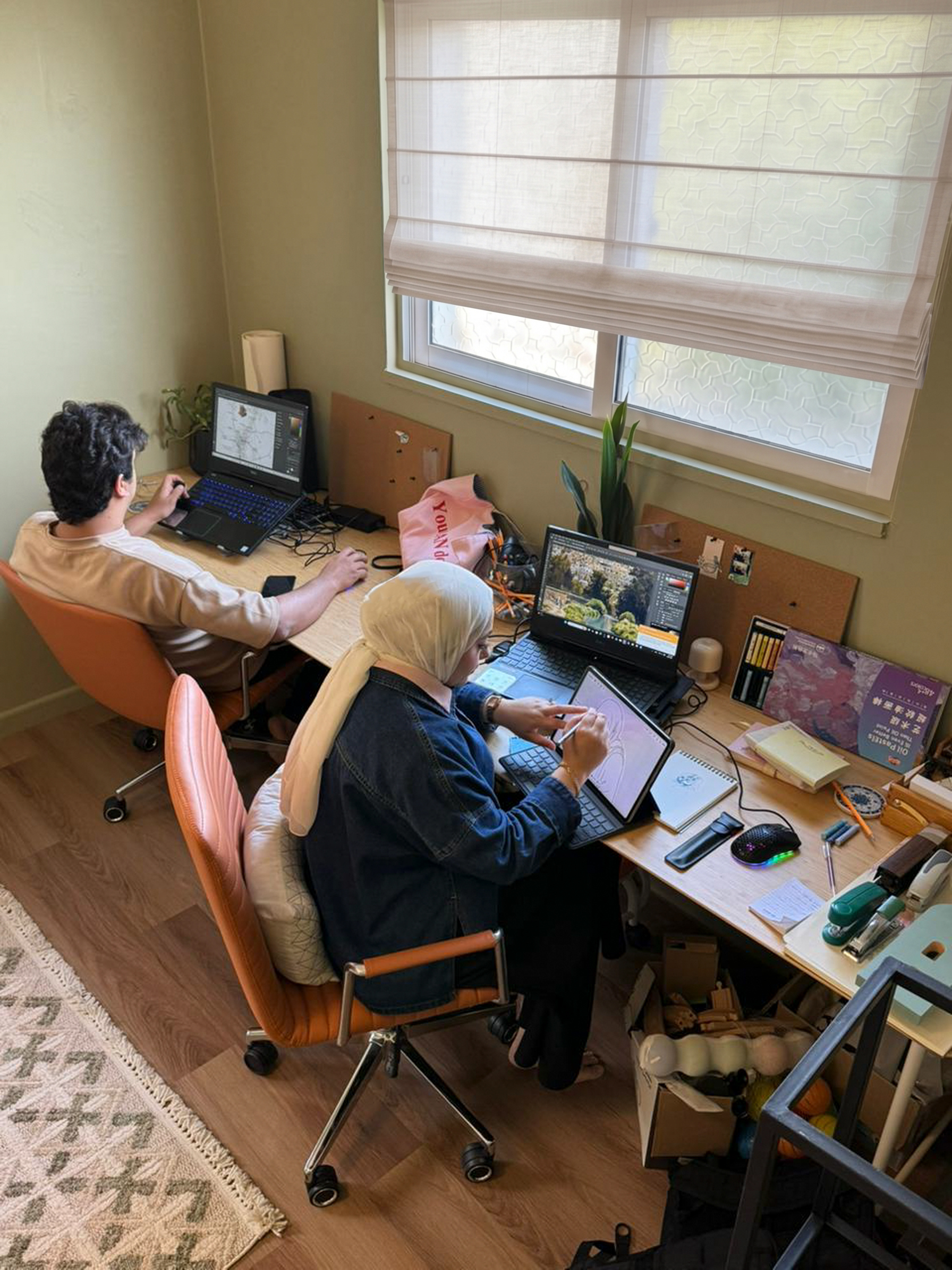
في الوقت نفسه، بدأنا العمل بشكل مكثف مع مطوّر الويب لتحويل هذه الأفكار إلى تجربة رقمية فعلية. جزء كبير من التحدي كان في ترجمة الأفكار البصرية والتفاعلية إلى نظام يعمل تقنيًا دون أن يفقد الإحساس الفني للمشروع. احتجنا إلى شرح منطق التنقل، طريقة ظهور العناصر، الإحساس بالحركة، وتسلسل التجربة داخل الموقع. تحولت السكتشات والتجارب البصرية تدريجيًا إلى موقع تفاعلي حيّ يعمل على أجهزة الكمبيوتر، الهواتف، والأجهزة اللوحية، باللغتين العربية والإنجليزية. وأصبح المشروع في النهاية مساحة تجمع بين السرد البصري، التاريخ الشفهي، الكولاج، والصوت داخل تجربة رقمية واحدة.
في النهاية، لم يكن الهدف تقديم رواية واحدة عن الزرقاء، بل إظهارها كمدينة متعددة الطبقات، مليئة بالأصوات والصور والقصص التي تستحق أن تُروى وتُستكشف بطرق جديدة.
From Oral Memory to an Interactive Digital Exhibition
Moath Al-Omour & Sara Izz Eldeen
The “Surfacing Zarqa” project began with a simple idea, yet from the beginning it carried a complex question: how can a city like Zarqa, with all its contradictions, memories, sounds, and social and visual layers, be told within a single digital space without losing its diversity and complexity?
We did not want to create a conventional website or a static visual archive. From the very beginning, our goal was to build an interactive experience that would allow users to “wander” through the stories and gradually discover the city through image, sound, movement, and memory. We thought of the website as a narrative space more than a display platform.
The core idea emerged from the concept of collage, not only as a visual choice, but also as a way of understanding the city itself. To us, Zarqa appeared as a city composed of overlapping layers: personal stories, historical events, everyday sounds, visual signs, and scattered memories existing on top of one another. We felt that collage was the most suitable language to represent this condition; a language that allows multiple narratives to coexist, intersect, and form a larger picture without dissolving the uniqueness of each story.
In the early stages of the project, after receiving the interviews and research materials, we entered a long phase of reading and analysis. The interviews were not merely texts to us; they were gateways to understanding people’s relationship with the city and how memory is shaped within place. We spent long hours carefully reading the interviews, trying to capture the most honest and impactful moments, while searching for stories with emotional and visual potential that could be translated into the interactive experience.
Over time, hidden connections between different stories began to emerge. Certain details repeatedly appeared in different forms: nostalgia, urban transformation, sense of place, social relationships, and even the city’s everyday sounds. From this emerged the idea of the website’s “visual fabric”; the stories would not exist separately, but would instead intertwine visually and narratively within one shared space.
At this stage, we also began working on initial sketches and experimenting with navigation methods within the website. We were searching for an approach that would allow users to explore freely, without feeling confined to a traditional or rigid sequence. Gradually, the idea of white lines and hand-drawn elements emerged, which later became a key part of the project’s visual identity.
These lines were not merely decorative elements; they served as a way to distinguish interactive elements within the collage, almost inviting the user to click and explore. Their “unfinished” nature also created a feeling close to the nature of memory itself: fragmented, changing, and never truly complete.
Once the visual identity became clearer, we moved into the fieldwork phase. Sara and I began visiting different locations across Zarqa, not only for documentation purposes, but also to visually “read” the city. We started noticing the small details that often go unnoticed: old walls, street signs, traces of time on buildings, faded colors, and the layered visual textures embedded within the streets.
During these visits, we collected more than 300 photographs from various areas of the city. Some images were documentary in nature, while others became visual textures integrated into the collages. We tried to preserve the authentic feeling of the city without turning it into a polished or idealized image. It was important for us that some of the city’s chaos, simplicity, and visual accumulation remained present within the work.
After the photography phase ended, the most complex stage began: assembly and composition. This is where we started building the collages and connecting stories with images and various visual elements. The process felt like constructing a map of memory; every visual element needed to find its rightful place within the experience, and every story needed space to breathe without overshadowing the others. We experimented with the relationships between text, image, movement, and sound, while thinking carefully about how users would transition naturally and indirectly from one story to another. We did not want users to feel like they were simply “reading content,” but rather that they were exploring the layers of a living city unfolding before them.
At the same time, we worked intensively with the web developer to transform these ideas into an actual digital experience. A major part of the challenge was translating the visual and interactive concepts into a functional technical system without losing the project’s artistic essence. We needed to explain the navigation logic, the way elements appeared, the feeling of movement, and the sequence of the experience throughout the website. Gradually, the sketches and visual experiments evolved into a living interactive platform accessible on computers, mobile phones, and tablets, in both Arabic and English. Ultimately, the project became a space that brings together visual storytelling, oral history, collage, and sound within a single digital experience.
In the end, the goal was not to present one singular narrative about Zarqa, but rather to portray it as a multilayered city filled with voices, images, and stories that deserve to be told and explored through new approaches.